
Somerset Farmers' Markets: Monthly Checklist for What to Buy and When
A month-by-month guide to Somerset farmers' markets: what's in season, what to buy in quantity, and the questions worth asking the stallholder before you pay.
Somerset's markets change week by week, and that is exactly what makes them worth the trip. The stall that sells nothing but kale and stored apples in February will be piled with asparagus by May and cider apples by October. Turn up with a rough idea of the calendar and you spend less time wandering and more time eating well.
Use this as a working checklist rather than a rulebook. Weather, altitude and soil all shift things: what is ready on the Levels can be a fortnight ahead of the same crop on Exmoor. Most towns in the county run a market of some kind — Bath, Taunton, Wells, Frome, Glastonbury, Shepton Mallet, Bruton, Yeovil, Bridgwater and Minehead among them — on schedules that range from weekly to monthly, so check the listing before you set out.
How to Work the Market
- Go early for scarcity. Asparagus, wild garlic, first strawberries and good mushrooms sell out in the first hour.
- Go late for value. In the final half hour, bread, soft fruit and cheese often get reduced rather than packed away.
- Carry some cash. Most stalls take cards now, but signal and small traders do not always cooperate.
- Ask what is coming next. "What will you have in a fortnight?" gets you a better answer than any seasonal chart.
- Bring a cool bag if you are buying cheese, meat or fish and plan to be out for the rest of the day.
Spring: March, April, May
March
The hungry month. Expect leeks, kale, parsnips, celeriac and purple sprouting broccoli, plus stored apples and squash from last autumn. Forced rhubarb shows up, and wild garlic starts in damp woods from late March — buy a bunch and blitz it with oil and nuts for a pesto that will keep a fortnight in the fridge. Cheeses are excellent now: mature cheddar, soft ripened rounds, goat's logs. Lamb is not really here yet; hogget, which has more flavour, often is.
April
Asparagus may appear in the last week or two if the spring is mild. Wild garlic is at its peak, along with sorrel, spinach, spring onions, radishes and outdoor rhubarb. Ewe's milk cheeses are at their best. Ask about new-season lamb — some farms bring it in late April, others wait until May.
May
Asparagus in quantity, and worth buying by the bunch to eat within a day or two. Look for small, tender broad beans, early peas, salad leaves, herbs, the first tunnel-grown strawberries, and elderflower for cordial. Goat's cheese is as fresh as it gets. This is also the month for proper spring lamb.
Summer: June, July, August
June
Strawberries arrive properly, and the difference between a market punnet and a supermarket one is not subtle. Gooseberries, blackcurrants, broad beans, peas, new potatoes, courgettes with their flowers still attached, and the first cherries. Soft cheeses and early honey from hedgerow and clover both show up now.
July
Raspberries, redcurrants and blackcurrants, beans of every kind, cucumbers, beetroot, chard, and wet garlic — the fresh, mild kind that roasts beautifully whole. Outdoor tomatoes start late in the month. If you find local charcuterie or a sourdough baker you like, this is the point to become a regular.
August
Tomatoes at their peak, sweetcorn, plums, early apples such as Discovery, blackberries, and damsons towards the end of the month. Polytunnel aubergines and peppers turn up. Buy tomatoes in bulk for passata, and ask which varieties hold their shape for roasting.
Autumn: September, October, November
September
Apple season starts in earnest, eating varieties first and cider fruit close behind. Damsons, plums, blackberries, cobnuts and walnuts appear, along with squash, sweet peppers and the year's first wild mushrooms. Cider pressing gets under way, and you can often buy juice pressed that week.
October
Pumpkins and storing squash, quince, medlars, sloes and apples by the box. Game arrives: pheasant, partridge, venison from Exmoor, and good pork. This is the month to buy cider and apple juice for the winter.
On mushrooms: buy only from a seller who identifies them confidently and can tell you where they were picked. Never eat a wild mushroom you cannot identify with certainty yourself.
November
Roots and brassicas take over — parsnips, celeriac, swede, carrots, cavolo nero, sprouts, red cabbage, leeks and Jerusalem artichokes. Chestnuts and squash, stored apples, game, venison and mature cheeses. If you see cider brandy or mead, it makes a better gift than anything on a supermarket shelf.
Winter: December, January, February
December
Sprouts on the stalk, parsnips, celeriac, red cabbage, kale, leeks and potatoes. Order goose or turkey ahead — by November in most cases. The market is also where you find chutneys, mincemeat, cheese boxes, wreaths and last-minute cider.
January
Purple sprouting broccoli may arrive late in the month in a mild year. Until then: kale, leeks, parsnips, celeriac, chard, squash, stored apples and forced rhubarb. Cheese is dependable, and so is the cider and juice made from the autumn crop.
February
Purple sprouting broccoli, forced rhubarb, wild garlic beginning to push through, the last of the squash, and early salad from under cover. Ewe's milk cheeses return as lambing starts. Ask about lamb for Easter while you are there.
Turn the Checklist Into a Habit
Keep a note on your phone of what you bought and when, and which stall it came from. Half the value of a market is the relationship: the grower who sets aside a box of damsons because you asked two weeks earlier, or tells you honestly that the tomatoes are not worth buying yet.
Buy a little extra at peak and freeze it. Broad beans and peas blanch well, blackcurrants freeze flat on a tray, and tomato passata made in August tastes like a different food in January. Cheese keeps better wrapped in waxed paper in the vegetable drawer than in cling film, and it is worth taking it out an hour before you eat it. Keep apples away from greens and cucumbers, as they speed up spoiling in everything nearby.
If you are pregnant, elderly or have a weakened immune system, check with your GP or midwife before buying soft, mould-ripened or unpasteurised cheeses and anything sold raw. Everyone else: bring a bag, wear shoes you do not mind getting muddy, and let the calendar do the deciding.
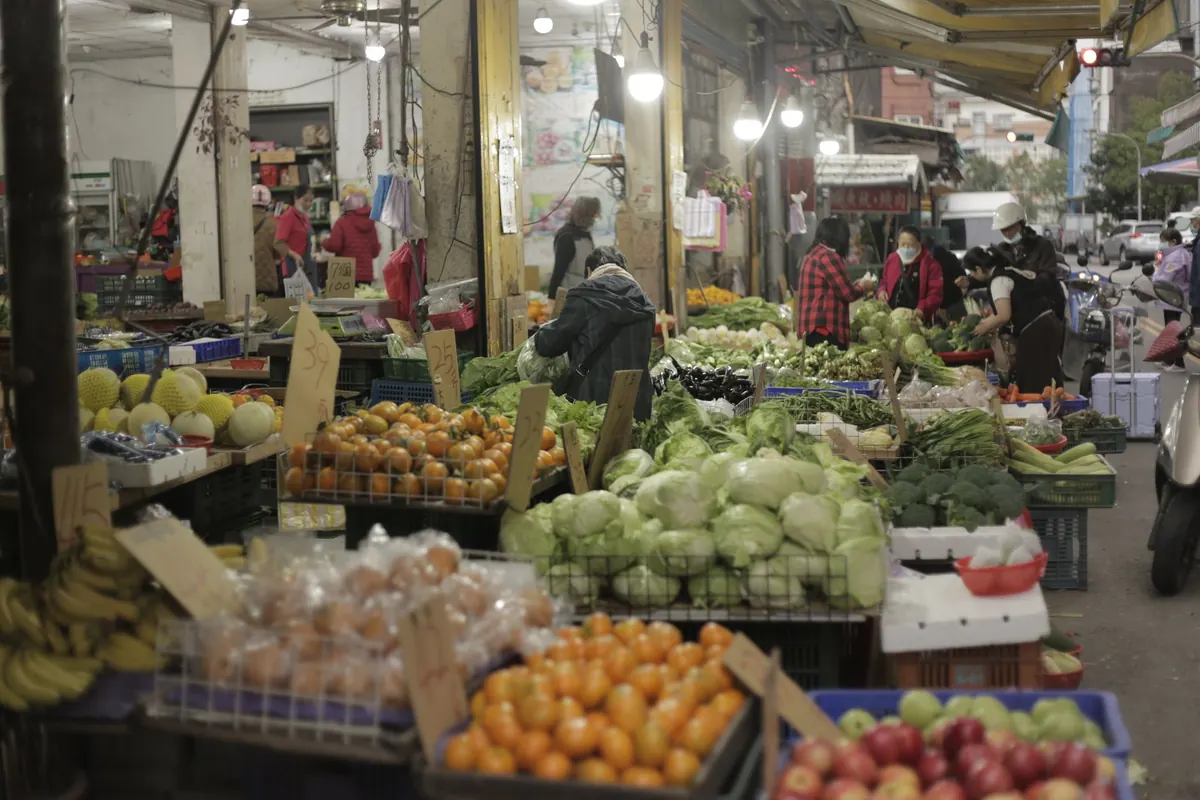
Photo: mingche lee / Pexels