
Best Somerset Villages for a Half-Day Stop (Compared)
A practical comparison of Somerset villages for a half-day stop, judged on parking, tea rooms, walks and how much time each one honestly needs.
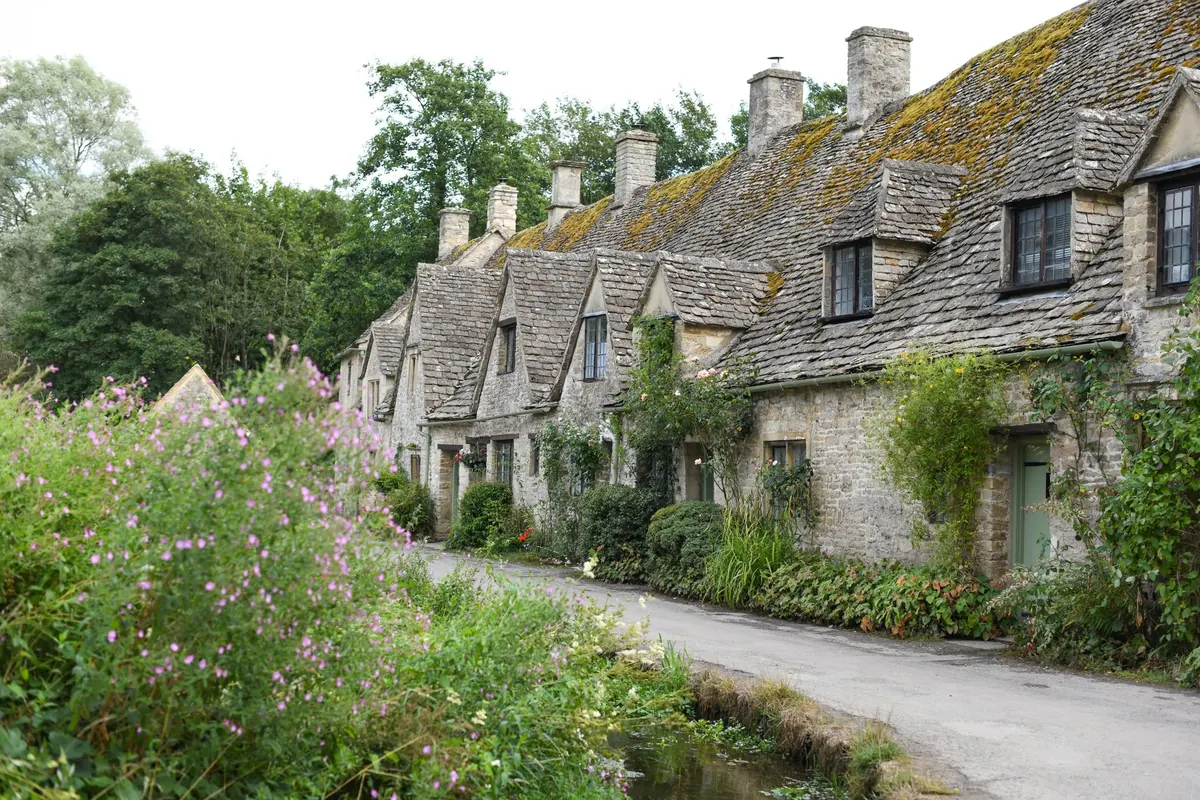
Somerset has more pretty villages than anyone can sensibly visit, and a fair number of them are finished in fifteen minutes. A half-day stop is a different proposition: three hours or so, usually with a dog, a couple of children, or a friend who wants a proper pot of tea. Choose badly and you are back in the car within forty minutes, wondering what to do next. Choose well and the same three hours take in a short walk, a look round a church or castle, and lunch that nobody regrets.
What follows compares a handful of villages on the things that actually decide the day: parking, tea rooms, walks, and honest time estimates. Distances in Somerset are rarely what the map claims, so treat every timing as generous.
What a good half-day village needs
The villages that work best for a short stop usually have all four of the following. Those that miss one can still be worth a detour, but as a twenty-minute pause on the way somewhere else rather than a half-day in their own right.
- Somewhere legal and obvious to park. A pay-and-display, a signed car park, or a stretch of roadside where visitors clearly park without blocking a gate or a driveway.
- A tea room or pub that is open outside Sunday lunch. This is the single biggest reason a village day falls flat. Many small places shut on Mondays and Tuesdays.
- A walk of twenty to sixty minutes starting from the centre. Not a full hike. Just enough to stretch legs and see the surrounding landscape.
- Enough to look at. A church worth opening the door for, a castle, a market square, a watermill. Two or three small things add up to an hour.
Castle Cary: the easiest half-day of the lot
Castle Cary behaves like a village even though it is technically a small town, and that is exactly why it suits a half-day. You park once, walk the centre in a loop, and everything is within a few minutes of everything else. The market house sits at the middle of it, the streets are narrow and full of old fronts, and the church on the hill is worth the short climb for the tower alone.
Parking, tea and the walk
There is a small pay-and-display car park within a few minutes of the centre, plus on-street spaces that fill quickly on a Saturday morning. Arrive before eleven if you can. For tea, there are cafés around the market house and a long-established hotel for something more substantial. The obvious walk is a gentle loop down to the mill stream and back up through the churchyard, which takes about half an hour at a stroll.
Realistic time: two to two and a half hours. Add an hour if you want a proper lunch. It is also the handiest of these villages by train, with a station on the main line, so it works for anyone meeting someone else there.
Bruton: art, coffee and a tight car park
Bruton has more going on than its size suggests. The gallery at Durslade Farm, on the edge of the village, is free to enter and has a garden that is worth the trip on its own; the village itself has a small museum, a handsome church and a handful of places to eat. The catch is parking, which is limited and best found at the edges of the centre rather than in it.
Decide before you arrive what you are doing. If you are going to the gallery, give it two hours and treat the village as a short add-on. If you are skipping it, ninety minutes is plenty for the streets, the church and a coffee. Bruton also has a railway station, which makes it a sensible stop for a car-free day.
Realistic time: ninety minutes for the village, three hours with the gallery.
Nunney and Mells: the quick stop and the walking stop
These two sit a short drive apart, which makes them the most useful pairing in this list. Do one or do both, depending on how much time you have.
Nunney
Nunney is built around a moated castle managed by English Heritage, with a brook running along the main street beside it. It is small, quiet and genuinely charming, and it does not pretend to be anything more. Parking is the weak point: a small area near the castle and roadside spaces, so avoid arriving at lunchtime on a sunny Sunday. There is a pub for a drink or a meal, and the church is a short walk uphill.
Realistic time: forty-five minutes to an hour and a half.
Mells
Mells is the best of these villages if the walk matters more than the shopping. The church is exceptional, the pub is a proper old one with a garden, and footpaths lead out along the Mells River towards Great Elm and the wooded valley beyond. That walk can be stretched from twenty minutes to a couple of hours without any effort. Parking is roadside and limited, so be prepared to park considerately and walk in.
Realistic time: an hour for the village, two and a half hours with a decent walk.
Dunster: the one that wants a full half-day
Dunster, on the edge of Exmoor, is the opposite problem to Nunney. There is too much here for a quick stop rather than too little. The castle, run by the National Trust, the yarn market in the middle of the street, the watermill, the priory church and the wooded walk up to the tower can easily fill an afternoon. There is a proper pay-and-display car park at the edge of the village, and the walk up the main street from it is part of the experience.
Two warnings. First, do not attempt Dunster in an hour; you will spend the whole time feeling rushed. Second, the main street is steep and cobbled in places, which matters if you have a pushchair or a companion who finds hills hard. A heritage railway stops nearby, which is a good way to extend the day.
Realistic time: three to four hours. Half a day, comfortably.
The smaller stops, compared
If you only have ninety minutes and want something unfussy, these work well:
- Wedmore — a compact village with a couple of good places to eat and a walk out towards the Levels. An hour is enough; two if you eat properly.
- Axbridge — a small square, a National Trust lodge in the middle of it, and easy access to the Strawberry Line path and the reservoir. About ninety minutes, plus whatever you add on foot.
- Hinton St George — beautiful, hamlet-sized and short on facilities. Walk it slowly, look at the houses, and move on. Thirty to forty minutes, with very limited parking.
- Nether Stowey — the Quantocks are on the doorstep and there is a small National Trust cottage in the village. Two hours if you combine both.
- The Chew Valley — villages such as Chew Magna offer pubs and a lake nearby rather than a single set-piece attraction. Good for a relaxed couple of hours.
Before you set off
Ring ahead or check opening times the morning you go. Tea rooms in small villages often close on Mondays and Tuesdays, churches are sometimes locked outside service days, and National Trust properties have seasonal hours. Church car parks are for congregations, not visitors; park on the road sensibly instead.
Pair one walk-heavy village with one that is
Photo: Rosa Stone / Pexels