

Beginner's Guide to Walking the Somerset Levels: Safety, Wildlife, and Route Picks
A beginner-friendly guide to walking the Somerset Levels: flat easy routes, year-round wildlife, and the flood and tide safety you need to know first.
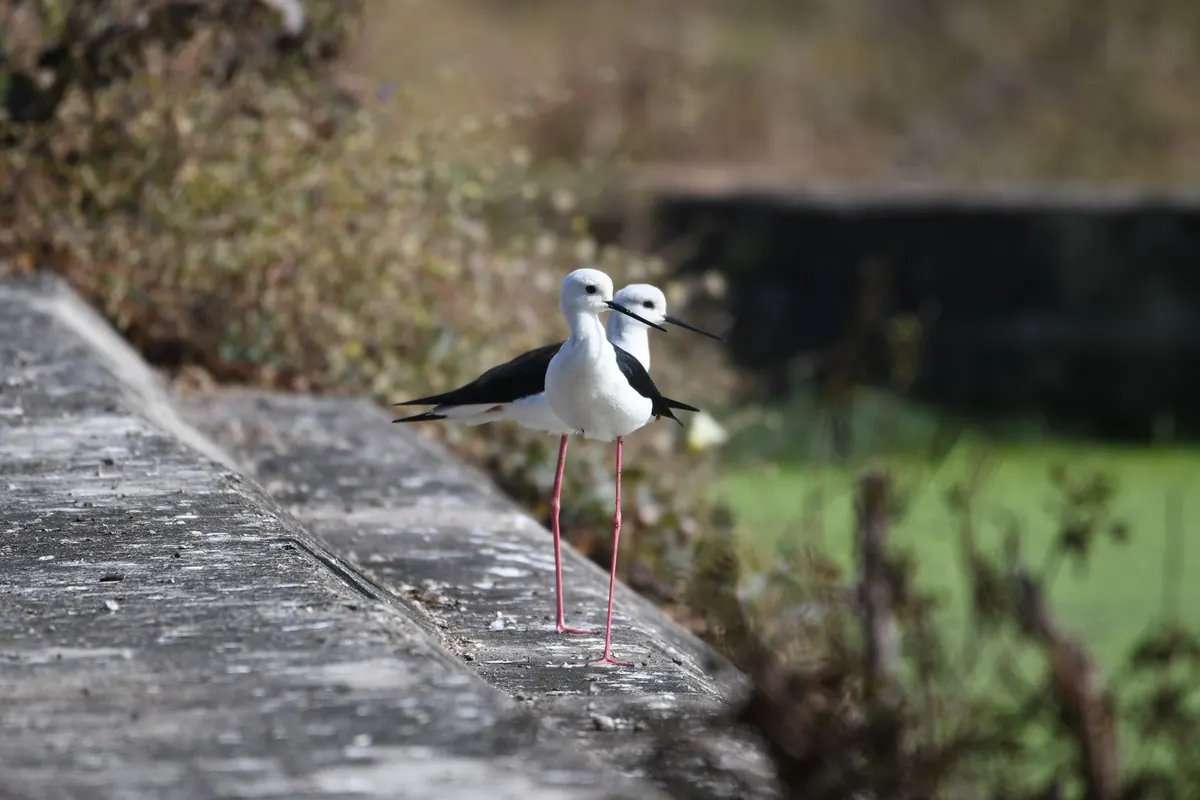
Flat, quiet and half made of water, the Somerset Levels are one of the easiest places in England to walk properly. You can cover four miles without meeting a hill, then spend twenty minutes watching a heron stalk a ditch. If you have only ever walked in the hills, the Levels take a little adjusting. There is nothing to summit and no view to chase. Instead there are droves, rhynes, reedbeds and enormous skies, and the walking is as much about what you hear as what you see.
Why the Levels suit a first walk
The Levels and Moors sit between the Mendips and the Quantocks: drained fields, old peat workings, reedbed and open water, stitched together by narrow lanes and stone droves. Because the land is pumped and managed, much of it is genuinely level. A two-mile loop feels like two miles, not a climb.
That flatness is a gift when you are building confidence. You can judge distance easily, turn back at any gate, and usually keep a car park or a village within reach. The trade-off is exposure. There are few trees and almost no shelter, and when the wind comes off the Bristol Channel it arrives without apology. Choose a calm, dry day for your first outing rather than a dramatic one.
Four easy routes to start with
- Ham Wall, near Meare. An RSPB reserve with waymarked trails, wide gravel paths and several hides. The main path suits pushchairs and wheelchairs. Anything from one to three miles, depending on how long you sit still.
- Shapwick Heath. Next door, and reachable on foot from Ham Wall. Straight, level tracks run across former peat workings, and the prehistoric Sweet Track was found in the peat here.
- Westhay Moor. A Somerset Wildlife Trust reserve of mire, willow and reed. Short trails, excellent for dragonflies in summer and for a quiet hour at any time.
- Bridgwater and Taunton Canal towpath. Solid, flat and walkable when the fields are soaked. Start near Bridgwater and walk as far as you fancy before turning round.
Once you know the area, link Ham Wall, Shapwick Heath and Westhay through the Avalon Marshes. It is a flat network of paths and lanes where you can build up to eight or nine miles without ever leaving the water.
What you might see, season by season
Winter is the spectacle. Flooded fields fill with ducks, swans and waders, and from late autumn into February starlings gather over the reedbeds at dusk in murmurations that pull in crowds. Bitterns, marsh harriers and great white egrets are now regular sights rather than rarities.
Spring brings booming bitterns, singing reed warblers and cuckoos. Summer belongs to hobbies chasing dragonflies, and to the ditches themselves, where water voles and the occasional otter go about their business. Otters are here all year but are hard to see; early morning is your best chance.
- Take binoculars, even cheap ones. Much of the best wildlife is 50 metres away.
- Use the hides. Sitting still for ten minutes will show you more than an hour of walking.
- Dawn and dusk beat the middle of the day, especially on warm weekends.
- Keep quiet near the water, and do not play birdsong to draw birds in. Ham Wall also does not allow drones.
Water, weather and flood safety
This is the part worth reading twice. The Levels flood. That is partly what they are for: the moors hold water, and pumping stations move it on when they can. A path that is bone dry in June can be under a foot of cold water in January.
- Check the forecast and the Environment Agency flood warnings for the Somerset Levels before you set out. If a warning is in force, go somewhere else.
- Never walk into floodwater on a path or a drove, however shallow it looks. You cannot judge depth, ditch edges are undercut, and it is easy to step off a lane into a rhyne running alongside it.
- Mud and puddles are normal here; standing water across a route is not. Turn back, or take a different way. There is almost always one.
- Near the Parrett estuary, Bridgwater Bay and Steart, check tide times. The Bristol Channel has a huge tidal range and the mud is soft and sticky. Stay on the sea wall and marked paths, and never walk out onto the mudflats.
Dogs, gates and livestock
Most of the Levels is working farmland. Cattle and sheep graze the moors, and ground-nesting birds breed in the wet grassland and reedbed from March to July. Keep dogs on a short lead around livestock and on nature reserves, close every gate behind you, and use stiles and gaps rather than climbing fences.
If cattle come to investigate, stay calm and walk away steadily rather than running. Put yourself between the herd and your dog, and if a dog is loose and being chased, letting it off the lead is usually safer than keeping it tethered.
Kit, timing and comfort
Boots or wellies for most of the year, a windproof layer whatever the forecast says, and water. There is little shade on a summer afternoon, so a hat and suncream earn their place. From May to September, midges can be fierce on still evenings near the reeds; repellent and long sleeves help.
Footpath signs are thinner on the droves than they are in the hills, so carry a paper map or download offline mapping. Phone signal can drop out between villages. And allow more time than the distance suggests: level ground is easy on the legs but slow when the path is rutted and wet.
Before you go: a five-minute check
- Forecast and flood warnings, particularly November to March.
- Tide times if you are anywhere near the Parrett, Bridgwater Bay or Steart.
- Wellies or boots, water, a windproof layer, midge repellent in summer.
- A map or offline mapping, and a charged phone.
- A plan B. The canal towpath is a good wet-weather substitute.
- Someone who knows your route and when you expect to be back.
Get those boxes ticked and the Levels become one of the most rewarding places in Somerset to walk badly prepared for nothing in particular. Take your time, stop often, and let the water do most of the talking.
Photo: Devesh kumar / Pexels